From Ambition to Action: A6IP Center Supports Capacity Building for Article 6 Implementation in Bangladesh
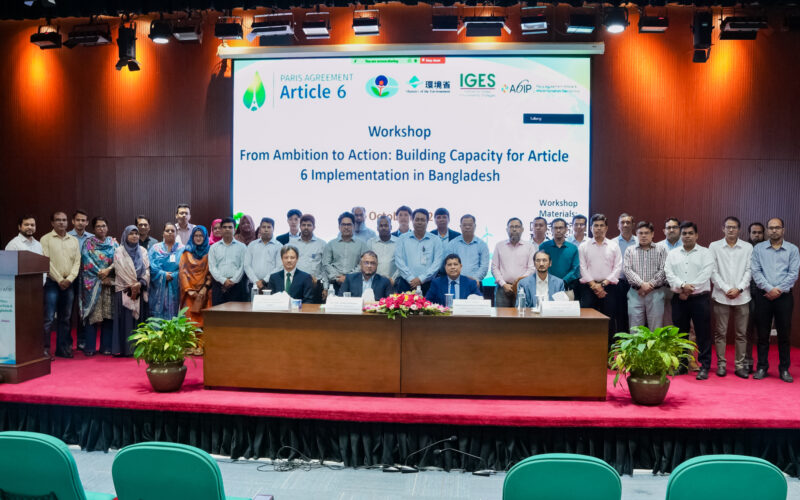
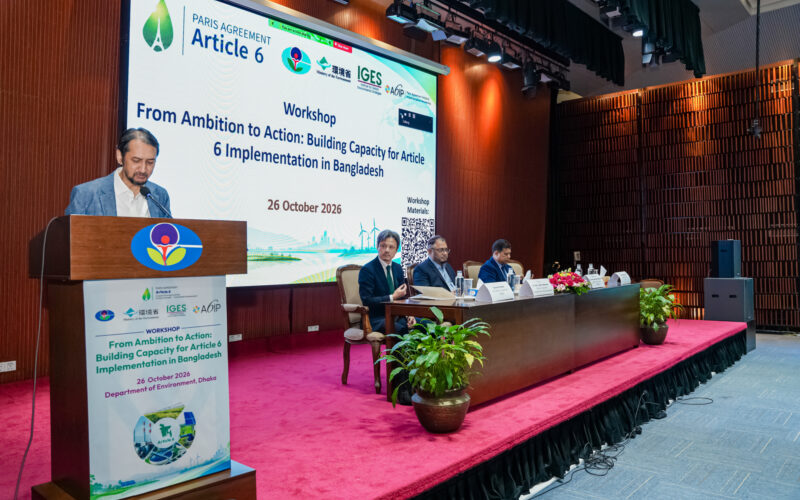
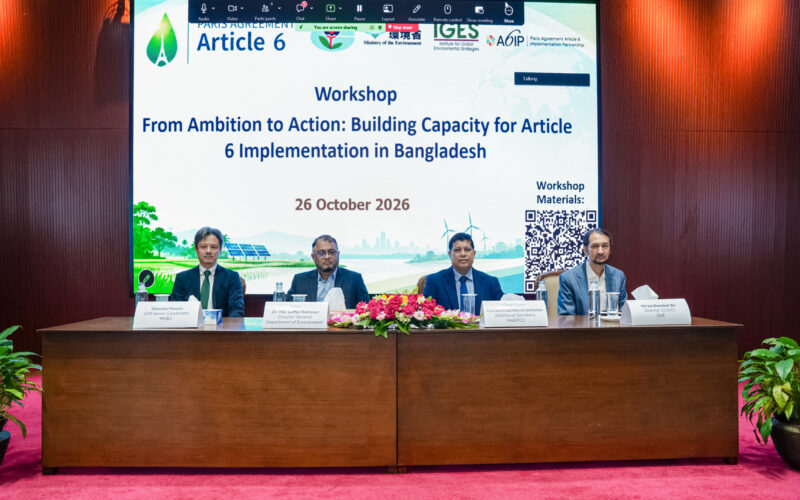
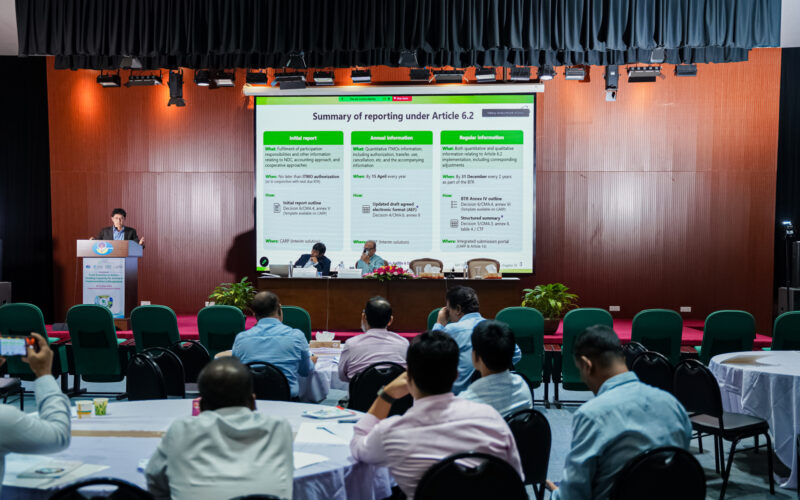
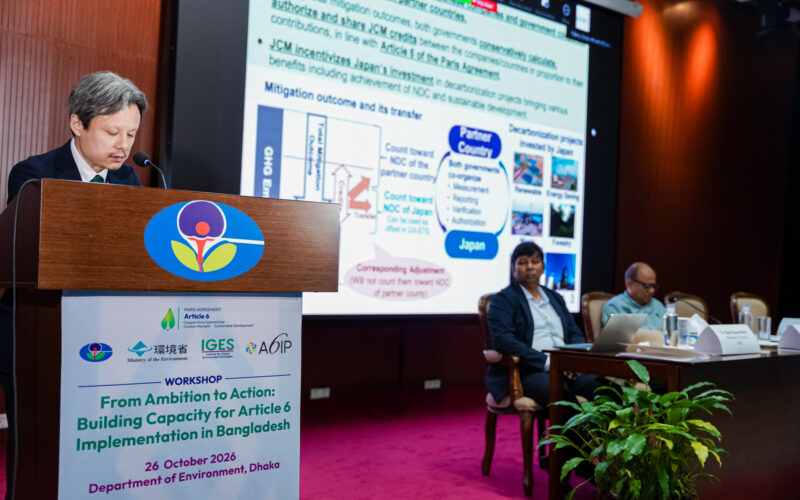
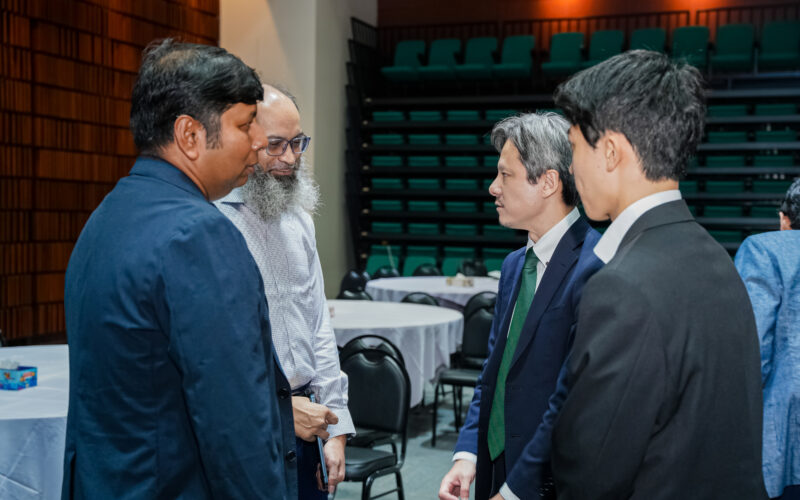
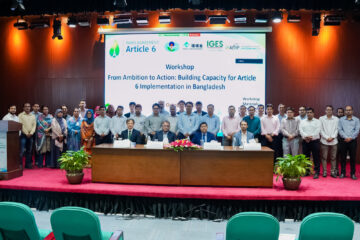
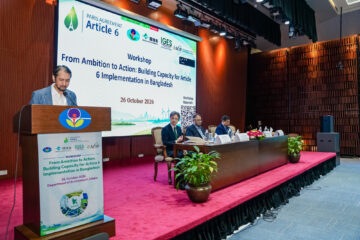
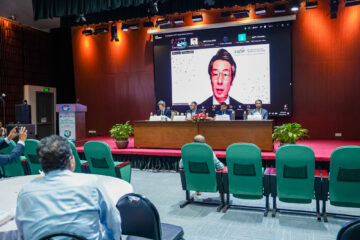
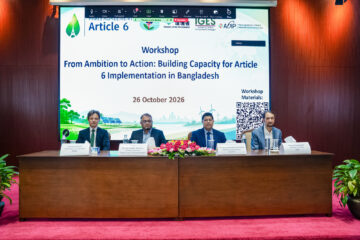
On 26 October 2026, the Article 6 Implementation Partnership (A6IP) Center, in collaboration with the Department of Environment of Bangladesh and Ministry of the Environment of Japan (MOEJ), organized a capacity-building workshop titled “From Ambition to Action: Building Capacity for Article 6 Implementation in Bangladesh”. The workshop brought together government representatives to strengthen institutional and technical readiness for participation in international carbon markets under Article 6 of the Paris Agreement.
Bangladesh has made progress in establishing its Article 6 institutional and policy framework, including the Designated National Authority (DNA), Carbon Market Framework and potential mitigation activities. Building on this progress and experience under the Joint Crediting Mechanism (JCM), the workshop reviewed achievements and identified priorities for effective implementation.
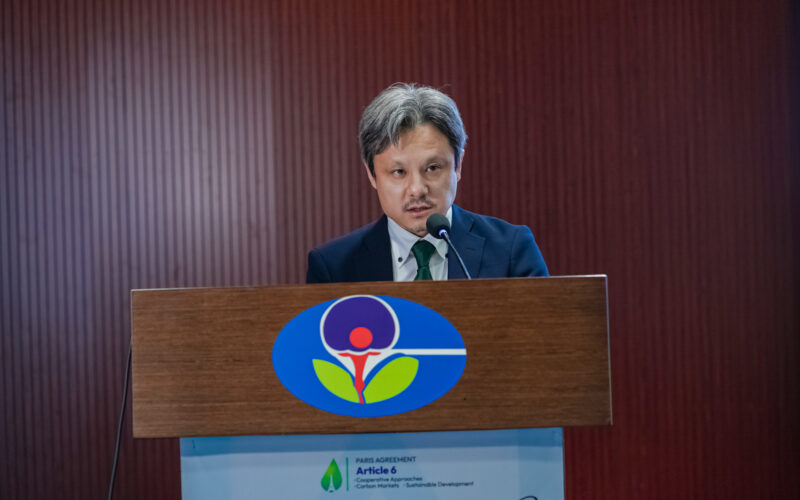
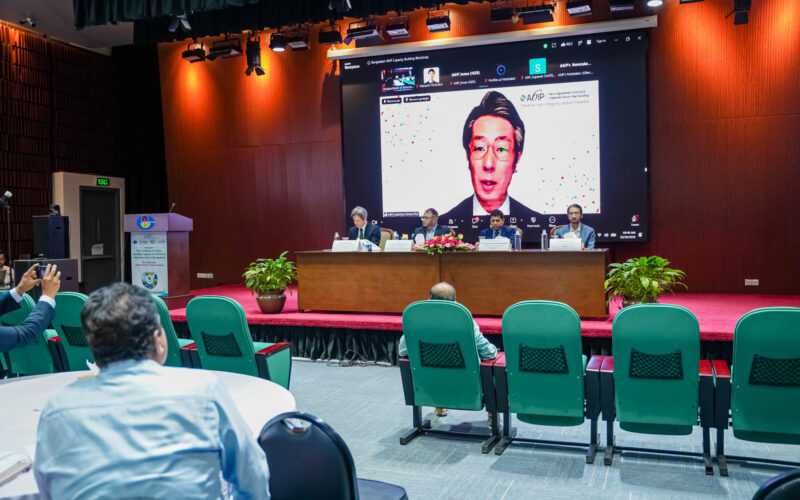
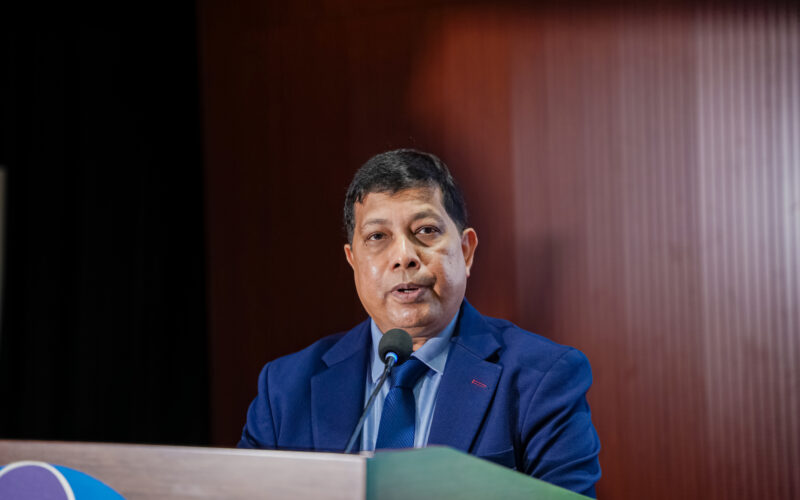
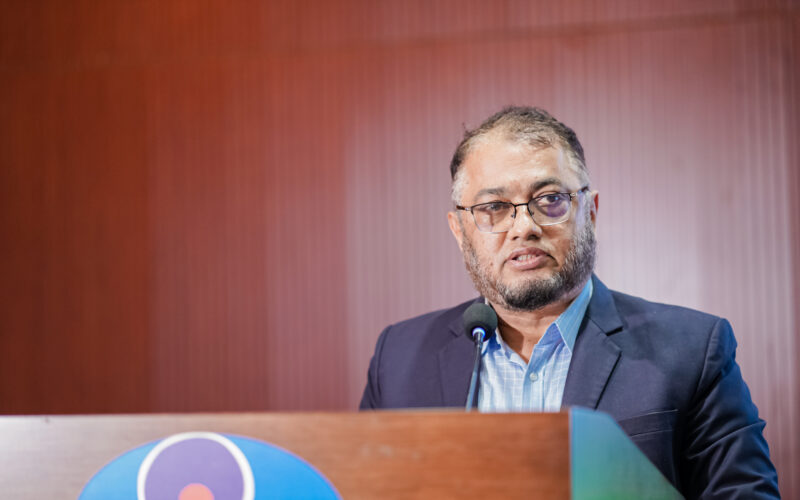
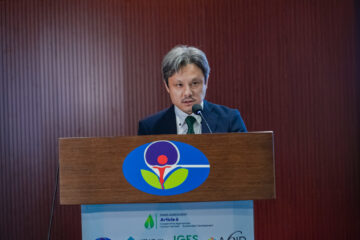
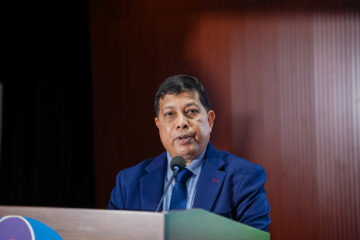
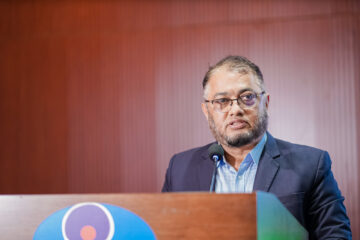
The workshop featured opening remarks by Mr. Daisuke Maeda, JCM Senior Coordinator of the Ministry of Environment, Japan (MOEJ); Mr. Kazuhisa Koakutsu, Director of the A6IP Center at IGES; Mr. Mohammad Navid Safiullah, Additional Secretary of the Ministry of Environment, Forest and Climate Change (MoEFCC), Bangladesh and Co-Chair of the JCM Joint Committee; and Dr. Md. Lutfor Rahman, Director General of the Department of Environment (DoE), Bangladesh.
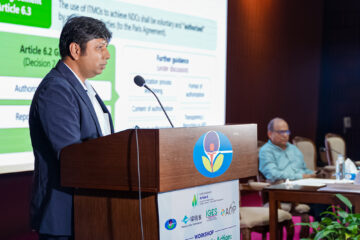
The speakers highlighted Article 6’s potential to mobilize climate finance, facilitate technology transfer, attract private-sector investment and support Bangladesh’s climate commitments. They emphasized the need for robust institutional arrangements, transparent procedures and environmental integrity to ensure credible carbon market cooperation and avoid double counting.
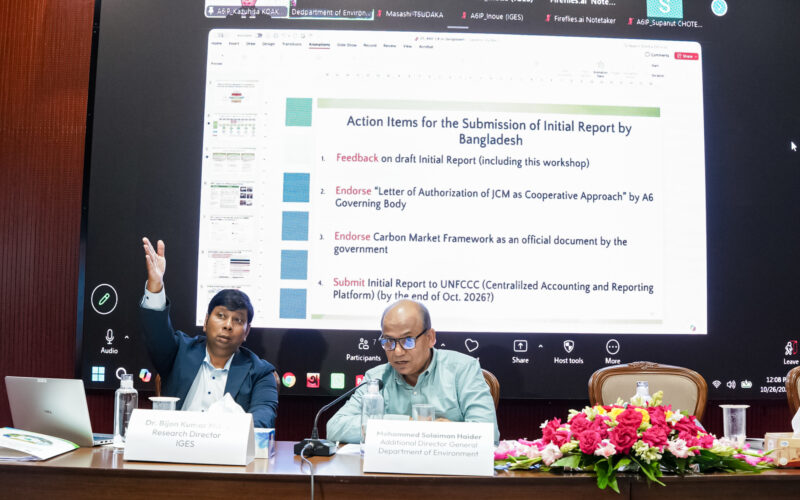
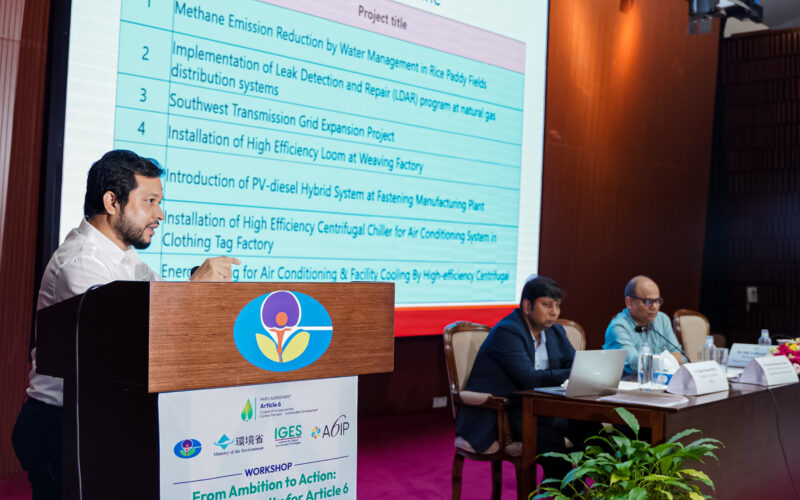
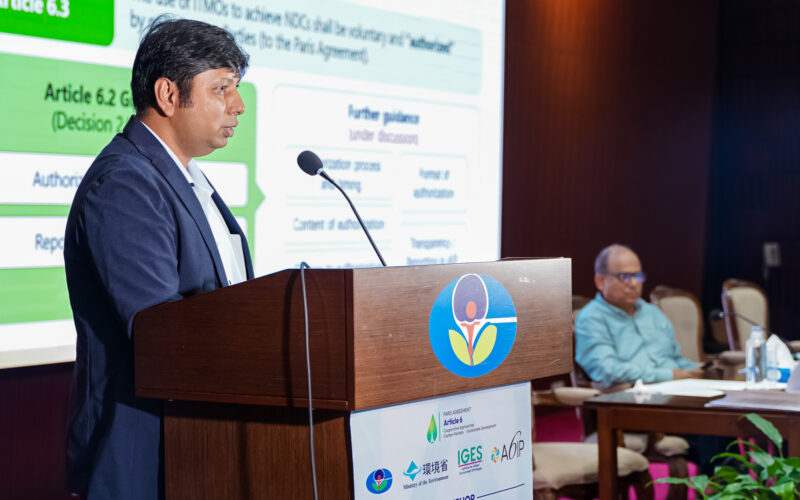
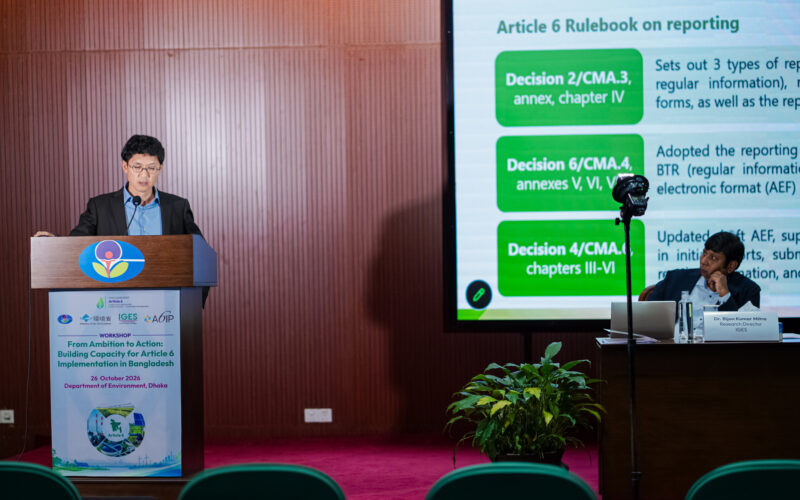
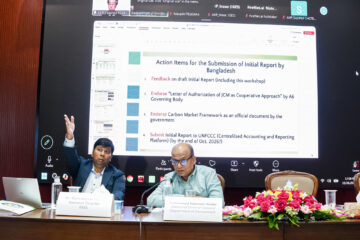
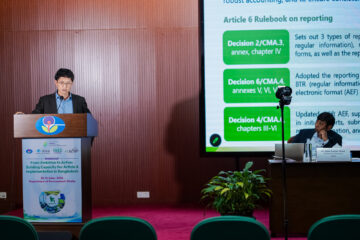
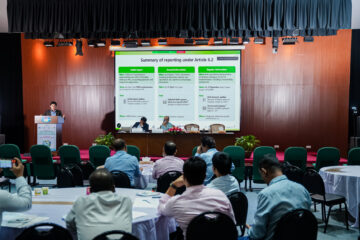
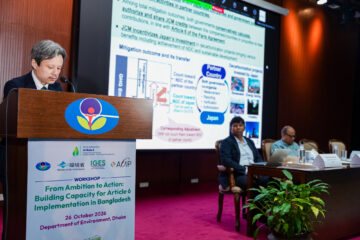
Technical sessions focused on three key areas: authorization, tracking and reporting. Discussions covered Bangladesh’s progress in developing its domestic carbon market arrangements, preparation of the Article 6 Initial Report for submission to the UNFCCC, and the establishment of an appropriate registry and tracking system for internationally transferred mitigation outcomes (ITMOs). A dedicated session by MOEJ also introduced Japan’s JCM framework, including project development, monitoring, verification, credit issuance and corresponding adjustments.
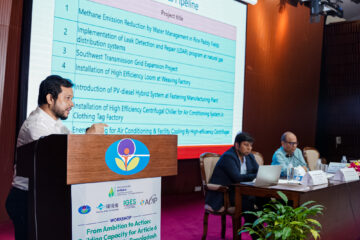
Participants also exchanged views on potential Article 6 activities in renewable energy, energy efficiency, agriculture, waste management, forestry and transport. They also highlighted the need for sector-specific guidance, institutional capacity building and stronger coordination among government agencies and private-sector stakeholders.
The workshop identified key priorities for advancing Bangladesh’s Article 6 readiness, including operationalizing the Carbon Market Framework, strengthening the capacity of the DNA and relevant agencies, submission of the Initial Report, establishing registry arrangements and developing a pipeline of high-quality mitigation projects.
The workshop reaffirmed the importance of continued Bangladesh–Japan cooperation, supported by IGES and the A6IP Center, to translate Article 6 opportunities into concrete climate mitigation actions and sustainable development benefits.